Cheese Board Laser Cut Serving Tray: A Design Asset That Elevates Home Decor Projects
As a professional graphic designer, I'm always on the lookout for design assets that not only look good but also serve a purpose in real-world applications. When I first opened the Cheese Board Laser Cut Serving Tray, I was immediately drawn to its intricate detailing and elegant composition. This is more than just a decorative element—it’s a visual anchor that can elevate the mood of any project rooted in lifestyle, food, or home decor branding.
Aesthetic Appeal Meets Practicality
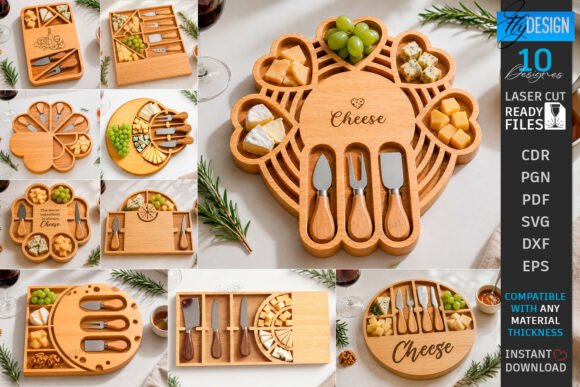
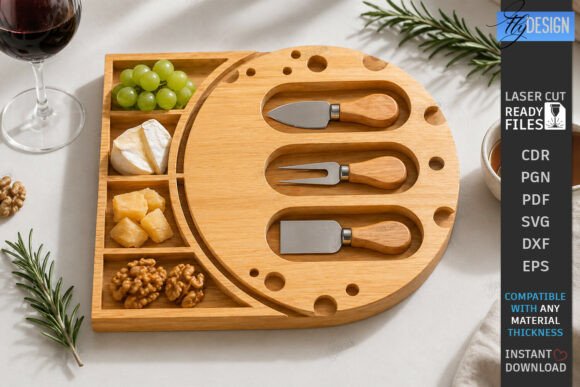
The Cheese Board Laser Cut Serving Tray has a warm, artisanal feel that aligns perfectly with modern farmhouse, rustic, and bohemian aesthetics. The combination of a stylized serving tray, knife holder, and wine glass slots creates a sense of curated charm. It doesn’t scream for attention; instead, it subtly enhances the sophistication of the layout. For a client working in the handmade or boutique space, this kind of visual language is invaluable.
What stands out most is how this asset feels like part of a larger narrative—like a still-life captured mid-creation. Its layered design elements make it ideal for storytelling visuals, whether you're designing a product launch poster for a local charcuterie brand or crafting an editorial spread for a lifestyle magazine.
Design Performance Across Media
This asset performs well across multiple design platforms and outputs. Here's how it fits into various scenarios:
- Logo Design & Brand Identity: While not suitable as a direct logo element, the Cheese Board can be used as a background motif or supporting icon in brand collaterals like packaging labels or website headers.
- Product Labels & Packaging Design: Incorporating the laser-cut tray into label designs adds a tactile dimension to digital work. It works especially well for artisanal cheese or gourmet gift sets where texture and authenticity are key.
- Social Media Graphics: On Pinterest pins or Instagram posts, the asset brings a touch of elegance to lifestyle content. It looks great when paired with food photography or flat lays that promote kitchenware or entertaining products.
- Canva Templates & Cricut Projects: The vector-based files included (SVG and PNG) make it easy to integrate into Canva templates or Cricut projects. Whether you're creating printable wall art or cutting physical materials for a DIY kit, the precision of the laser cut lines ensures clean results.
- Print-on-Demand & Etsy Products: As a sublimation design or sticker template, it can add character to mugs, tote bags, or wooden signs. Just be sure to test it on different textures and surfaces to maintain its clarity and impact.
Where It Shines
The Cheese Board Laser Cut Serving Tray truly excels in large format layouts and hero graphics. Its detailed structure makes it perfect for product mockups, where it can act as a realistic prop for showcasing cheeses, wines, or charcuterie items online. In themed collections or seasonal campaigns focused on entertaining, cooking, or housewarming gifts, this asset becomes a central piece that ties everything together.
It also plays well as a decorative accent in editorial design or blog visuals. For instance, if you're building a post about hosting tips or holiday entertaining, placing this asset at the top of the page or within infographics helps create a cohesive, visually rich experience.
Use With Caution
Despite its versatility, there are limitations to consider. In small sizes, the fine details can become lost, reducing its effectiveness. Avoid using it in crowded layouts or alongside complex backgrounds unless you're prepared to simplify or isolate specific parts of the design.
If your client’s brand leans toward minimalist aesthetics or requires strict visual hierarchy—think corporate reports or sleek e-commerce banners—the tray might introduce unnecessary clutter. Always assess whether the asset supports the overall tone and messaging of the project rather than competing with it.
Readability, Hierarchy, and Emotional Impact
One of the biggest concerns when using such a detailed asset is readability. Fortunately, the designers behind the Cheese Board Laser Cut Serving Tray have struck a balance between complexity and clarity. The negative space allows text to sit comfortably around or over the design without overwhelming it.
When placed correctly, the asset contributes positively to visual hierarchy by drawing attention to the center of the layout while allowing supporting information to flow naturally around it. It also reinforces brand consistency when used repeatedly across marketing materials, especially for businesses in the food or home goods sectors.
Emotionally, the design evokes warmth, community, and indulgence. These associations are powerful in audience engagement, particularly for brands targeting millennials and Gen Z who value experiences and curated living. It helps build visual trust by appearing handcrafted and authentic, which resonates with audiences looking for quality and intentionality in their purchases.
Professional Considerations for Real Client Work
Before integrating this asset into a client project, I recommend the following checks:
- Test in Black and White: Evaluate how the design holds up without color to ensure it remains legible and impactful in grayscale.
- Check Contrast: Preview it on both light and dark backgrounds to see if it maintains visibility and aesthetic harmony.
- Preview at Various Sizes: From mobile banners to large posters, confirm that the detail level remains appropriate across all dimensions.
- Place on Real Mockups: Use it in product mockups to see how it interacts with other elements and how it affects the perceived quality of the final item.
- Test Print Quality: If printing the design onto physical materials, check for alignment accuracy and edge sharpness to avoid misprints or distorted imagery.
- Review File Formats: Confirm the SVG file is editable and the PNG has transparent backgrounds if needed for layering or overlay purposes.
- Font Pairing: Compare how the asset pairs with serif, sans-serif, script, handwritten, and display fonts to find the best typographic match for the intended style.
- Confirm Commercial License: Always verify that the design is properly licensed for commercial use before incorporating it into a client project or selling it through a creative marketplace like Etsy or Creative Market.
Why It Works for Creative Marketplaces and Digital Sellers
For digital sellers and print-on-demand entrepreneurs, the Cheese Board Laser Cut Serving Tray offers a unique opportunity to differentiate offerings in a saturated market. Its niche appeal makes it ideal for design bundles targeting lifestyle or home decor niches. You can easily pair it with related assets—like wine bottle illustrations or cheese label templates—to create a cohesive collection that appeals to hobbyists and small business owners alike.
In web design, it can enhance landing pages for kitchenware startups or artisanal food shops. Used as a header image or a subtle background pattern, it communicates luxury and craftsmanship without overpowering the content.
Final Thoughts for Designers and Marketers
After testing the Cheese Board Laser Cut Serving Tray in several real-world design contexts, I’m confident it’s a solid addition to any designer’s toolkit. It’s versatile enough to adapt to multiple styles yet specific enough to add a personal touch to branding efforts. Its blend of form and function means it can transition smoothly from digital illustrations to physical products like Glowforge-ready laser cutters or custom stickers.
However, it’s important to remember that no asset should be used blindly. Take time to understand the message it conveys and how it aligns with your client’s identity. Think about the scale, contrast, and context in which it will appear. When applied thoughtfully, this design can help bring a sense of refinement and lifestyle appeal to even the most straightforward projects.
Ultimately, the Cheese Board Laser Cut Serving Tray is a strong example of how a well-crafted graphic design asset can do more than just look good—it can help tell a story, reinforce a brand’s values, and create emotional connections with the target audience. For anyone working in the home decor, food, or event spaces, it’s worth considering for your next creative design initiative.