Forest Deer Layered Wood Art for Laser Cutting Sign Projects
As a graphic designer who frequently works with branding and visual storytelling, I’m always on the lookout for design assets that bring depth, character, and a touch of nature into creative projects. Recently, I came across Forest Deer Layered Wood Art, and it immediately caught my eye. This vector-based design offers a layered composition ideal for laser cutting and signage, especially in the handmade and small business sectors. Let’s dive into how this asset stacks up in real-world client scenarios.
Aesthetic First Impressions: Serenity Meets Sophistication
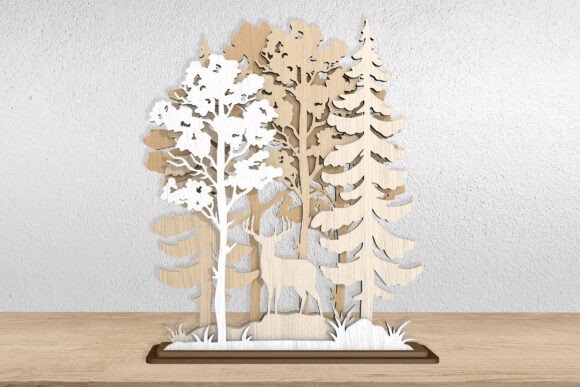
The first thing that stands out about Forest Deer Layered Wood Art is its elegant, natural aesthetic. The deer silhouettes are rendered with subtle detail, giving the illusion of movement and grace within the woodland scene. It feels like something you’d see in a high-end boutique or an artisanal gift shop — understated but impactful. The layered wood style suggests a tactile quality that digital designers can translate visually through mockups or print-ready assets.
This design doesn’t scream for attention; instead, it whispers. That makes it perfect for brands that want to convey calmness, authenticity, or a connection to the outdoors. Think wellness products, eco-conscious retailers, seasonal campaigns around autumn or winter, or even local events centered on nature and sustainability.
Design Versatility Across Media and Formats
What sets Forest Deer Layered Wood Art apart is its adaptability. As a vector file, it scales beautifully, which means it can be used effectively from large-format signs down to smaller product labels. Here’s where it shines:
- Logo Design & Brand Identity: While not a traditional logo, it could serve as a background element or motif in brand identity work for a forest-themed brand. Just make sure it complements the core typography and color palette without overpowering it.
- Product Labels & Packaging Design: Ideal for wooden packaging or labels that need a handcrafted feel. The deer motif adds a sense of exclusivity and organic charm.
- Posters & Flyers: Works well as a hero graphic in posters for nature retreats, art fairs, or seasonal promotions. Its intricate lines add texture and interest without cluttering the layout.
- Invitations & Sticker Design: Perfect for themed invitations such as rustic weddings or woodland-inspired baby showers. For stickers, ensure the deer silhouette remains legible at reduced sizes.
- T-Shirt Design & Merchandise: When placed centrally on a garment, it creates a focal point that feels both artistic and approachable. A great fit for indie fashion brands or Etsy shops selling cozy apparel.
- Mug & Tote Bag Graphics: Adds warmth and personality to drinkware and tote designs. Especially effective when paired with muted tones or earthy color schemes.
- Website Graphics & Blog Visuals: Can enhance blog headers or website banners for lifestyle or wellness content. Use sparingly to avoid overwhelming text-heavy sections.
- Editorial Design & Digital Ads: Suitable for editorial spreads or Pinterest pins that require a soft, engaging image. In digital ads, it needs careful placement to maintain clarity and visual hierarchy.
- Cricut Project & Print-on-Demand Assets: Compatible with Cricut machines and other laser-cutting tools. Its layered structure gives physical products a professional finish, making it a valuable addition to any print-on-demand seller’s toolkit.
Best Use Cases for Maximum Impact
Here are the project types where Forest Deer Layered Wood Art truly excels:
- Large Layout Areas: The design’s scale and detail come alive when given space. Use it in full-page backgrounds for brochures, posters, or signage to create a strong visual statement.
- Hero Graphics: On landing pages or event announcements, it serves as a compelling visual anchor that draws the viewer in gently.
- Product Mockups: Especially for Etsy products or creative marketplace listings, placing this design in a shadow box format enhances perceived value and craftsmanship.
- Decorative Accents: It can subtly elevate minimalist layouts by adding a hint of texture or thematic richness without disrupting clean design principles.
- Themed Collections: Great for cohesive product lines around forest themes, such as candles, journals, or home décor items.
- Campaign Visuals: A seasonal campaign for a skincare line or outdoor gear brand could benefit from the serene mood this illustration evokes.
- Printable Wall Art: With proper formatting, it becomes a beautiful downloadable product for customers looking to personalize their spaces.
Use with Caution in These Scenarios
While this design has a lot going for it, there are situations where it might not perform optimally:
- Small Sizes: The intricate details may become lost or illegible when scaled too small. Test it at various resolutions before finalizing for use on buttons or badges.
- Crowded Layouts: Avoid using it in busy compositions. It needs breathing room to maintain its delicate balance and visual appeal.
- Complex Backgrounds: If your project already has heavy textures or gradients, consider simplifying the background so the deer illustration doesn’t get buried.
- Low-Contrast Designs: The deer silhouettes rely on contrast to stand out. Pair them with dark or light backdrops accordingly to preserve visibility.
- Minimalist Branding: Brands that lean heavily into minimalism may find this asset too ornate. Use it as a supporting detail rather than a primary visual.
- Professional Corporate Materials: Though versatile, the whimsical nature of the deer illustration may not align with more formal corporate aesthetics unless intentionally styled otherwise.
Design Readability and Emotional Appeal
In terms of readability, the deer illustration functions best as a background or accent element. It doesn’t interfere with text when properly spaced and sized. However, when used in proximity to body copy, it’s important to ensure sufficient separation between the two elements to maintain legibility.
Emotionally, this design brings a sense of peace and nostalgia. It’s particularly effective for brands targeting women, nature lovers, and those seeking to evoke tranquility in their audience. The deer symbolizes gentleness, elegance, and connection — all powerful emotional triggers for marketing visuals and brand storytelling.
Practical Designer Notes
Before incorporating Forest Deer Layered Wood Art into a client project, here are some key checks to perform:
- Test in Black and White: Evaluate how the design holds up in grayscale to ensure it maintains its visual impact without color.
- Check Contrast on Light and Dark Backgrounds: Ensure the deer remains visible and clear regardless of the surface it’s placed on.
- Preview at Small and Large Sizes: Confirm that the design doesn’t lose integrity when scaled down for social media or up for large signage.
- Place on Real Mockups: Try it on actual product mockups (like mugs or wall art) to visualize how it translates into tangible goods.
- Test Print Quality: If planning for physical output, review how it prints on different materials — especially if working with laser cutting or engraving.
- Review File Formats: Make sure you’re getting SVG files for easy editing and PNGs for transparency. These formats are essential for adapting the design across platforms.
- Inspect Transparency: If using the PNG version, check that the edges are crisp and the transparent areas are correctly defined.
- Compare with Font Styles: See how the deer illustration pairs with serif, sans-serif, script, handwritten, and display fonts. A script font might enhance the theme, while a bold display font could clash.
- Confirm Commercial Licensing: Always verify that the asset comes with a valid commercial license before including it in a client deliverable or selling it as part of a design bundle.
Impact on Brand Consistency and Recognition
When used consistently across a brand’s visual identity, this deer illustration can reinforce a theme of nature, simplicity, and elegance. It helps build a unique signature that supports brand recognition, especially when featured on multiple touchpoints like packaging, social media posts, and Canva templates. The key is to maintain a consistent treatment — whether it’s always in black and white, or stylized with the same color overlays each time.
Engagement and Professionalism
Though the design has a handcrafted look, it still manages to feel polished and intentional. This duality makes it appealing for both handmade businesses and more professional ventures that want to blend creativity with credibility. When applied thoughtfully, it boosts engagement by offering a familiar yet refined visual language that resonates with audiences craving authenticity and beauty.
Final Thoughts for Creative Professionals
As a seasoned designer, I appreciate assets that offer both emotional resonance and technical flexibility. Forest Deer Layered Wood Art delivers on both fronts. It’s a strong candidate for signage projects, laser cutting applications, and any endeavor needing a touch of wilderness-inspired charm.
That said, it’s not a one-size-fits-all solution. It requires thoughtful placement and a clear understanding of your project’s visual goals. Whether you're crafting a creative design for a boutique or building a digital product for a print-on-demand platform, this illustration can help elevate your work — provided you treat it with the care and consideration it deserves.
Overall, it’s a solid graphic design asset that bridges the gap between digital creativity and tangible craftsmanship. Just remember to test it thoroughly and tailor its application to suit your specific project needs.