Office Door Sign Laser Cut File Review: A Designer’s Perspective
As an embroidery designer who has worked on countless projects—from custom apparel to boutique branding—I always approach a new design with a critical eye. The Office Door Sign Laser Cut File caught my attention for its clever functionality and layered aesthetic. While it's primarily marketed as a Home Decor item, I quickly realized that the visual language of this file could translate into many other real-world embroidery applications. Here’s how I see it fitting into practical use, and what you should consider before stitching it onto your next project.
First Impressions: Style Meets Purpose
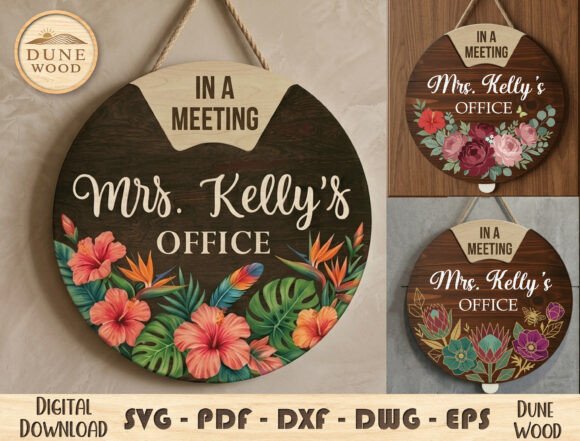
The Office Door Sign Laser Cut File immediately stands out for its clean, modern layout and thoughtful inclusion of a movable “In a Meeting” slider. It’s not just decorative; it’s functional in a way that makes me think beyond the office setting. As someone who values both aesthetics and usability, I appreciate how the layered design adds depth without becoming overwhelming. The structure feels like it was made with intention—each component is proportionally balanced and ready to be adapted into various formats.
What also impresses me is the subtle elegance of the typography. It’s legible but not overly fussy, making it suitable for a range of audiences, including professionals and educators. This kind of detail matters when designing for commercial or personalized products, especially if the goal is to maintain a cohesive brand identity or create a gift that feels thoughtfully crafted.
Visual Personality and Project Compatibility
I imagine this design working particularly well on items like embroidered patches, tote bags, and even sweatshirts for small businesses or teachers. Its structured layout and interactive element (the slider) make it ideal for adding personality to otherwise plain surfaces. However, the design does require careful consideration when applied to smaller or more delicate projects.
For example, using this laser cut file on a baby onesie might feel too formal unless simplified. But on a custom apron for a home office or craft studio, it could add just the right amount of charm and clarity. The layered nature of the file suggests it’s meant for thicker materials, which opens up possibilities for wooden signs, acrylics, or felt-based applique designs.
Real-Life Embroidery Use Cases
When evaluating how the Office Door Sign Laser Cut File performs in actual embroidery work, I considered several common scenarios:
- Custom Apparel: On a sweatshirt or t-shirt, the design would serve as a strong statement piece. The text and graphic elements are large enough to remain clear and impactful, though I’d recommend using satin stitch around the edges to define the shape against a busy background.
- Baby Clothes & Tote Bags: For a tote bag design, this file could become part of a larger motif, such as a set of organizational tools or a branded product line. On baby clothes, it might need scaling down and simplification to avoid cluttering the fabric.
- Embroidered Patches: The layered aspect of the file is perfect for patchwork projects. You can stitch each layer separately and assemble them manually, creating a tactile and dimensional effect that’s great for handmade products or Etsy sellers looking to offer something unique.
- Pillow Covers & Tea Towels: These are fantastic candidates for the design. The visual weight of the sign will stand out on cotton or linen, and the slider mechanism could be recreated using snap buttons or Velcro—adding a fun, interactive touch.
- Commercial Projects: If you're selling digital embroidery files or finished products, this design can help elevate your offerings. Its professional appearance aligns well with branding for offices, schools, or co-working spaces. Just ensure you’re clear about licensing if reselling.
Where Caution Is Needed
While the Office Door Sign Laser Cut File is versatile, there are some situations where it might not perform as expected:
- Small Hoop Sizes: The full design may not fit within a standard 4x4 hoop. If you're planning to scale it down, be prepared to adjust stitch density and spacing to maintain clarity.
- Textured or Stretchy Fabrics: The intricate lines and details may distort if stitched on stretchy knits or heavily textured materials. Always test on a scrap piece first.
- Thin or Dark Fabrics: Thin materials like silk or jersey won’t show off the design’s dimensionality. On dark fabrics, thread color contrast becomes crucial—stick to white, cream, or pastel threads for visibility.
- Curved Surfaces: The straight lines of the door sign don’t bend well. Avoid using this on curved areas like caps or hats unless you’re willing to do some manual adjustments.
- Detailed Corners: Watch out for tight corners and tiny lettering when adjusting the size. They can cause stitch breakage or puckering if not handled carefully.
- Frequent Washing: If the design is going on something like a kitchen towel or apron, make sure the stabilizer and backing used are wash-resistant. Otherwise, the layers might shift or separate over time.
Impact on Product Value and Customer Experience
From a customer perspective, the Office Door Sign Laser Cut File adds both visual appeal and a sense of professionalism. When applied correctly, it transforms a basic product into something memorable and useful. Think of a handmade planner case with this design—it instantly communicates organization and style, making it more desirable as a personalized gift or small shop product.
Using this design on a tote bag design or sweatshirt embroidery could increase buyer engagement by offering a conversation starter. The slider detail is unexpected and delightful, which is great for differentiating your product in competitive markets like Etsy or craft fairs.
However, if the design isn’t executed with care—especially regarding stitch density and thread colors—it could look flat or unprofessional. That’s why it’s so important to review the file thoroughly and test it before mass production or personal gifts.
Designer Notes: Best Practices for Using This Design
- Test on Scrap Fabric First: Especially if you're planning to use it on stretchy or thin materials. See how the stitches behave and whether the design maintains its integrity after washing.
- Check Thread Color Contrast: Use light-colored threads on dark backgrounds and vice versa. The text needs to be legible at a glance, so don’t let it blend in.
- Review Stitch Density: Since the design includes multiple layers and possibly intricate parts, high stitch density can lead to puckering. Adjust as needed depending on fabric type.
- Confirm Hoop Size: If you’re working with limited space, check the dimensions of the design and see if it fits comfortably within your machine’s capabilities.
- Inspect Small Details: Look closely at the letters and the slider area. Any misalignment or skipped stitches could detract from the overall quality of the finished product.
- Use Proper Stabilizer: A tear-away or cut-away stabilizer will help keep the design stable during stitching and preserve its shape afterward.
- Test in Black and White: Sometimes, bright colors can hide flaws. Testing the design in monochrome helps spot any issues with alignment or spacing.
- Compare Light and Dark Backgrounds: See how the design looks in both settings. You might find it more effective on one than the other, which can guide your product choices.
- Check Licensing Before Selling: If you're an Etsy seller or digital product seller, confirm whether the file comes with commercial rights. If not, consider purchasing a commercial license or using it only for personal projects.
Final Thoughts on Office Door Sign Laser Cut File
Incorporating the Office Door Sign Laser Cut File into your embroidery project can bring a fresh twist to everyday items. Whether you're creating a handmade product for your craft business or a custom piece for a client, this design offers a blend of form and function that’s rare in the world of machine embroidery design.
Its layered structure and interactive detail give it a unique edge, but they also demand precision and care. As an experienced reviewer, I encourage you to treat this file like any other design asset: evaluate it critically, test it practically, and apply it purposefully. With the right preparation, the Office Door Sign Laser Cut File can enhance your embroidery project and leave a lasting impression on your customers.