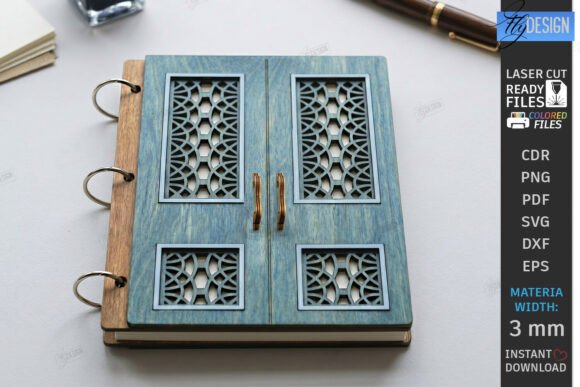
Miniature Door Notebook Cover Laser Cut for Creative Publishing
The Miniature Door Notebook Cover Laser Cut is a graphic design asset that immediately stands out for its intricate detailing and whimsical charm. Designed with vintage wooden textures, fairy tale motifs, and medieval portal aesthetics, this laser-cut vector file offers a unique blend of fantasy and elegance. As an experienced blog designer and digital publisher, I've tested numerous assets across platforms like WordPress, Canva, and Squarespace, but this one brings a fresh visual identity to content marketing projects that lean into storytelling, creativity, and artistic branding.
Eliciting the Right Editorial Mood
This design evokes a sense of curiosity and nostalgia. The miniature door motif suggests entry into a world of imagination—perfect for niches centered around lifestyle, creative writing, fantasy literature, or even spiritual and personal development content. It’s not overly professional, but it's also not childish; rather, it strikes a balance between playful and refined. For editors and bloggers who want to communicate depth without sacrificing warmth, this asset can become a signature element in their brand identity.
Its ornate yet structured patterns work well as background overlays or focal points in editorial layouts. Whether used on an eBook cover or within a digital guide, the Miniature Door Notebook Cover Laser Cut adds a touch of craftsmanship that can elevate the perceived value of your content. This kind of detail matters when you're trying to build reader trust through consistent and high-quality visuals.
Practical Uses Across Content Platforms
The versatility of this laser cutting design makes it suitable for a wide range of publishing needs:
- Blog Featured Images: Use it as an overlay or frame to introduce posts about travel, storytelling, or creative hobbies.
- Pinterest Graphics: Its eye-catching pattern helps Pinterest pins stand out in crowded feeds, especially for niche audiences drawn to artful and narrative-driven content.
- Newsletter Headers: Add it subtly behind headlines to give your email campaigns a more engaging and thematic look.
- Digital Guides & Lead Magnets: Ideal for book-style downloadable resources, such as journals, planners, or guided worksheets.
- Social Media Previews: Enhances thumbnails for Instagram carousels or Facebook posts related to art, education, or fantasy themes.
- Category Thumbnails: Helps distinguish sections like “Creative Writing,” “Fantasy Art,” or “Personal Development” with visual consistency.
As part of an Art Amp collection, this laser-cut design can be integrated into modern web design workflows using SVG or PNG formats, ensuring compatibility across both print and digital mediums. The level of detail is impressive for a laser cutting asset, making it ideal for physical products like handmade journals or DIY kits as well as digital ones.
Supporting Content Performance
Incorporating the Miniature Door Notebook Cover Laser Cut into your visual strategy can lead to measurable improvements in content performance:
- Stronger First Impressions: The design’s unique aesthetic captures attention quickly, which is vital for featured images and social media graphics.
- Clearer Visual Hierarchy: When layered correctly, the door elements can help direct the viewer’s focus toward key text or calls-to-action.
- Better Click-Through Potential: On Pinterest or blog archives, the design’s visual appeal increases the likelihood users will click through to read more.
- More Consistent Branding: Repeated use across blog headers, newsletter templates, and downloadable resources reinforces a cohesive brand identity.
- Improved Reader Trust: High-quality design assets signal professionalism and care, helping readers perceive your content as valuable and trustworthy.
- Enhanced Category Recognition: The medieval portal theme makes it easy to associate with specific types of content, improving navigation and user experience.
For affiliate marketers and online educators, these benefits are especially important. A polished visual system can make your content upgrades, course previews, or product pages feel more premium, encouraging higher engagement and conversion rates.
Where This Design Shines
The Miniature Door Notebook Cover Laser Cut excels in scenarios where visual storytelling plays a key role. Here are some of the best places to integrate it into your workflow:
- Hero Images: Pair it with soft lighting effects or watercolor backgrounds for a magical entrance into your blog or website homepage.
- Article Thumbnails: Use it as a subtle accent behind titles to create memorable blog archive cards.
- Editorial Accents: Insert small versions near subheadings or pull quotes to add texture and interest without overwhelming the layout.
- Content Upgrades: Apply it to worksheet covers, printable calendars, or journal templates to boost perceived quality and encourage downloads.
- Canva Templates: This design works beautifully as a decorative element in custom templates for bloggers or educators looking to maintain a unified style across all content pieces.
Where to Use It Carefully
While the Miniature Door Notebook Cover Laser Cut is visually rich, there are situations where it might not be the best fit:
- Small Mobile Thumbnails: The intricate details may get lost in low-resolution displays, reducing impact.
- Text-Heavy Blog Images: Overuse could distract from important copy, so it’s best reserved for accents or background layers.
- Low-Contrast Backgrounds: Test the asset against different color schemes to ensure legibility and contrast with your primary text.
- Busy Layouts: If your site already uses complex illustrations or animations, adding another detailed element could reduce readability.
- Corporate or Minimalist Niches: While it supports creative and educational brands, it may not align with more serious or modern design systems.
Always consider your audience and platform before applying this asset. It’s powerful, but context is everything.
Publisher Notes for Real-World Integration
To make the most of this design asset, follow these practical steps during your publishing workflow:
- Test on Desktop and Mobile Screens: Ensure the design maintains clarity and impact across devices.
- Check Thumbnail Quality: Resize the image to see how it performs in smaller formats, such as those used by RSS feeds or social media algorithms.
- Preview in a Real Blog Layout: See how it interacts with fonts, spacing, and other design elements in your CMS or blogging platform.
- Test with Headline Text: Overlay sample headlines to confirm that the design complements—and doesn’t compete with—your message.
- Review Contrast and Readability: Especially if you’re using it as a background or overlay, ensure your text remains legible and accessible.
- Try Black and White Versions: Some platforms or printing methods may require grayscale, so test how the design holds up without color.
- Font Pairing Experiments: Try placing the design beside serif, sans serif, script, handwritten, and display font styles to find the perfect match for your brand voice.
- Optimize File Size: Compress images properly to avoid slowing down page load times, especially on mobile devices.
- Confirm Commercial Licensing: Before using it on monetized websites, affiliate pages, or paid content products, verify that the Art Amp licensing allows commercial use.
Final Thoughts on Using Miniature Door Notebook Covers
As someone who regularly evaluates design assets for editorial and web publishing, I appreciate the Miniature Door Notebook Cover Laser Cut for its ability to add character without clutter. It’s particularly effective in content niches that thrive on atmosphere and emotional resonance—such as fantasy, folklore, mindfulness, and creative writing.
Whether you're designing a new blog post header, crafting a lead magnet for your newsletter, or creating a themed section for your website, this asset has the potential to enhance your visual communication. Just remember to apply it thoughtfully, keeping your overall brand identity and target audience in mind.
When used correctly, it can turn ordinary content pages into visually compelling experiences that readers return to time and again. And for digital marketers and content creators who rely on strong first impressions, this design asset is worth every pixel.